Top 5 Secrets to Brewing Barista-Quality Coffee at Home
Making coffee that tastes like it came from a skilled barista is a goal many coffee lovers share. The good news is you don’t need expensive equipment or a fancy café to enjoy a rich, flavorful cup. With a few simple techniques and attention to detail, you can brew coffee at home that rivals your favorite coffee shop. Here are the top five secrets to help you get there.

Use Fresh, Quality Coffee Beans
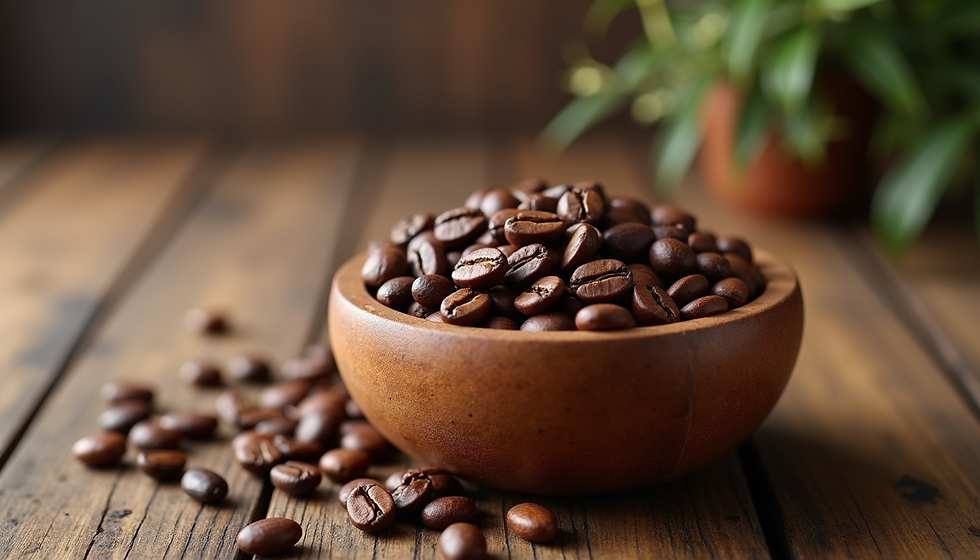
The foundation of great coffee starts with the beans. Coffee begins to lose its flavor soon after roasting, so buying fresh beans is essential. Look for beans roasted within the last two weeks and buy from local roasters or specialty stores when possible. Avoid pre-ground coffee because it oxidizes quickly and loses aroma and taste.
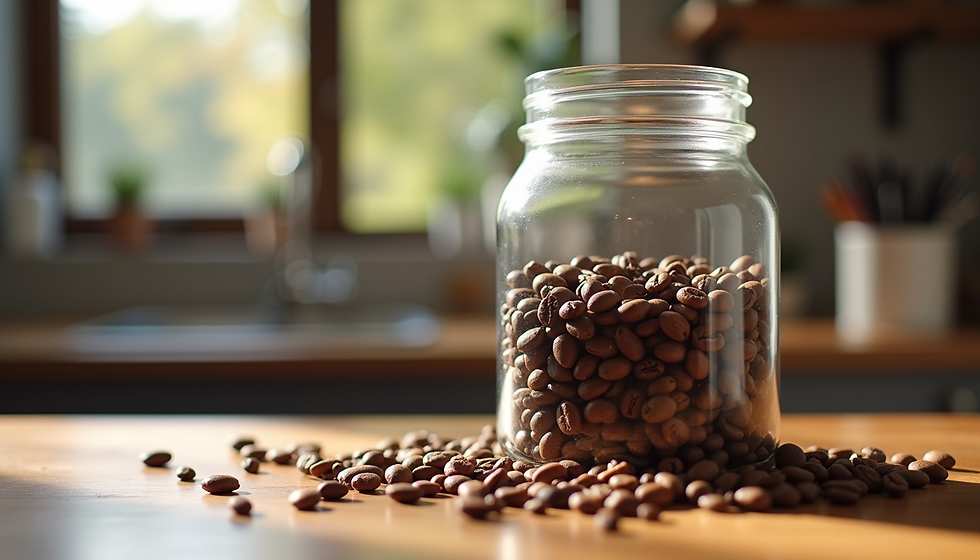
Store your beans in an airtight container away from light, heat, and moisture. Grinding your beans just before brewing preserves the oils and flavors that make coffee vibrant. A burr grinder is best because it produces a consistent grind size, which helps extract flavor evenly.
Master the Right Grind Size for Your Brewing Method
Different brewing methods require different grind sizes to extract the best flavor. Using the wrong grind can lead to bitter or weak coffee. Here’s a quick guide:
Espresso machines: Fine grind, almost powdery
Pour-over: Medium-fine grind, similar to table salt
French press: Coarse grind, like sea salt
Drip coffee makers: Medium grind, like sand
Adjust your grinder settings based on your brewing method and taste preferences. If your coffee tastes sour or weak, try a finer grind. If it’s bitter or harsh, go coarser. Experimenting with grind size is key to dialing in your perfect cup.
Measure Coffee and Water Precisely
Baristas rely on precise measurements to maintain consistency. Use a kitchen scale to weigh your coffee and water instead of relying on scoops or cups. A common ratio is about 1 gram of coffee to 15-17 grams of water, but you can adjust this based on how strong you like your coffee.
For example, if you want to brew 300 ml of coffee, use around 18-20 grams of coffee beans. Measuring ensures you don’t under-extract or over-extract the coffee, which affects flavour balance.
Control Water Temperature and Quality
Water quality and temperature play a huge role in coffee taste. Use filtered water free of chlorine or strong minerals. Avoid distilled water because it lacks minerals that help extract flavour.
The ideal water temperature for brewing coffee is between 90°C to 96°C. Water that’s too hot can burn the coffee, creating bitterness. Water that’s too cool results in under-extraction and weak flavor. If you don’t have a thermometer, bring water to a boil and let it sit for about 30 seconds before pouring.
Perfect Your Brewing Technique and Timing
Each brewing method has its own timing and pouring technique that affects extraction. For pour-over, pour water slowly in a circular motion to evenly saturate the grounds. Let the coffee bloom for 30-45 seconds by pouring a small amount of water first, which releases trapped gases and improves flavor.
For French press, steep the coffee for about 4 minutes before pressing the plunger down slowly. Avoid pressing too fast, which can cause bitterness.
Espresso machines require precise tamping pressure and extraction time, usually around 25-30 seconds. If you’re using an espresso machine at home, practice tamping evenly and timing your shots.
Brewing barista-quality coffee at home is about paying attention to details that affect flavor. Fresh beans, the right grind, precise measurements, good water, and careful brewing all come together to create a delicious cup. Start with these five secrets and adjust based on your taste. Soon, you’ll enjoy coffee that feels like a special treat every morning.

Comments