Understanding the Unique Features That Set Specialty Coffee Apart From Regular Coffee
Coffee is one of the most popular beverages worldwide, enjoyed by millions every day. Yet, not all coffee is created equal. When you hear the term specialty coffee, what comes to mind? Many people wonder what makes specialty coffee different from regular coffee. This post explores the key factors that distinguish specialty coffee, from the beans themselves to the way they are grown, processed, and brewed.
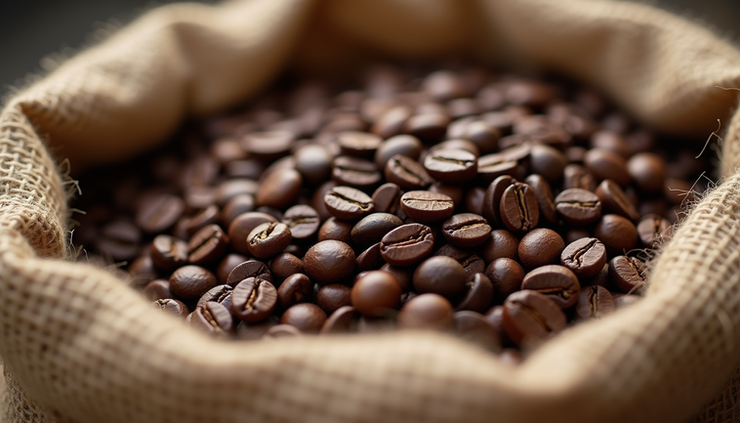
What Is Specialty Coffee?
Specialty coffee refers to coffee that scores 80 points or above on a 100-point scale by certified coffee tasters, known as Q graders. This classification focuses on the quality of the coffee beans and the entire process from farm to cup. Specialty coffee is often associated with unique flavors, careful cultivation, and ethical sourcing.
Regular coffee, by contrast, usually refers to commercial-grade coffee that may not meet these high standards. It is often mass-produced, with less attention to detail in growing, harvesting, and roasting.
The Journey from Farm to Cup
Growing Conditions and Origins
Specialty coffee starts with the environment where the coffee plants grow. These plants thrive in specific climates, altitudes, and soil types. Specialty coffee farms are typically located in regions known as the "coffee belt," including parts of Central and South America, Africa, and Asia.
Farmers growing specialty coffee pay close attention to:
Altitude: Higher elevations (usually above 3,000 feet) produce beans with more complex flavors.
Climate: Consistent temperatures and rainfall help develop the beans' quality.
Soil: Rich, volcanic soils contribute to the unique taste profiles.
Regular coffee may come from lower altitudes or less ideal growing conditions, which can result in a more generic flavor.
Harvesting and Processing
Specialty coffee involves meticulous harvesting methods. Beans are often handpicked to ensure only ripe cherries are selected. This contrasts with mechanical harvesting used for regular coffee, which can include unripe or overripe cherries.
After harvesting, specialty coffee undergoes careful processing methods such as:
Washed (wet) process: Removes the cherry’s outer layers before drying, resulting in cleaner flavors.
Natural (dry) process: Dries the whole cherry, imparting fruity and sweet notes.
Honey process: Partially removes the cherry skin, balancing sweetness and acidity.
Regular coffee processing tends to be faster and less precise, sometimes sacrificing flavor for efficiency.
Roasting: Crafting the Flavor
Roasting transforms green coffee beans into the aromatic brown beans we recognize. Specialty coffee roasters focus on bringing out the unique characteristics of each bean variety. They roast in small batches, adjusting time and temperature to highlight flavors like floral, fruity, nutty, or chocolatey notes.
Regular coffee roasting often uses darker roasts to mask lower-quality beans, resulting in a bitter or burnt taste. Specialty coffee prefers lighter or medium roasts that preserve the beans' natural flavors.
Brewing Methods That Matter
Specialty coffee enthusiasts often use precise brewing techniques to extract the best flavors. Popular methods include:
Pour-over: Allows control over water flow and extraction time.
French press: Produces a rich, full-bodied cup.
Aeropress: Combines immersion and pressure for a clean, strong brew.
Espresso: Concentrated coffee with intense flavor.
Regular coffee is commonly brewed using drip machines or instant coffee, which may not highlight the beans’ complexity.
Flavor Profiles and Tasting Experience
One of the most noticeable differences is the flavor. Specialty coffee offers a wide range of taste notes, from bright citrus and berry to caramel and spice. These flavors come from the bean variety, growing conditions, and roasting style.
Regular coffee tends to have a more uniform, often bitter or burnt flavor, lacking the nuanced taste layers found in specialty coffee.
Ethical and Sustainable Practices
Specialty coffee often supports fair trade and sustainable farming. Many specialty coffee producers work directly with farmers, ensuring fair prices and better working conditions. This approach encourages environmentally friendly practices such as shade-grown coffee, organic farming, and water conservation.
Regular coffee production may not prioritize these ethical considerations, sometimes leading to environmental harm and unfair labor practices.
Why Specialty Coffee Costs More
The higher price of specialty coffee reflects the care and effort involved at every stage:
Selective harvesting
Small-batch roasting
Quality control and grading
Ethical sourcing and sustainability
This investment results in a superior product that coffee lovers appreciate for its taste and story.
How to Identify Specialty Coffee
If you want to try specialty coffee, look for:
Certification labels like Specialty Coffee Association (SCA) or Fair Trade.
Information about the coffee’s origin, farm, and processing method.
Freshness dates on the packaging.
Descriptions of flavor notes on the bag.
Visiting local specialty coffee shops - like BOM Cafe Baldivis - is also a great way to explore different beans and brewing styles.


Comments