Understanding Single Origin Coffee and Its Value for Coffee Lovers
Coffee lovers often seek unique flavors and experiences beyond the usual blends found in grocery stores. One term that frequently comes up in specialty coffee circles is single origin coffee. But what exactly does it mean, and is it worth the extra cost? This post explores the concept of single origin coffee, its characteristics, and why it might be a valuable choice for those who appreciate quality and distinct taste.

What Is Single Origin Coffee?
Single origin coffee refers to coffee beans sourced from one specific location. This could be a single country, region, or even a particular farm. Unlike blends, which combine beans from multiple places to create a consistent flavor profile, single origin coffee highlights the unique characteristics of its source.
For example, a single origin coffee from Ethiopia might have bright, fruity notes, while one from Colombia could offer a smooth, nutty flavor. The terroir — the climate, soil, and altitude — influences the beans’ taste, much like wine grapes.
How Single Origin Coffee Differs from Blends
Blends mix beans from different origins to balance flavors and maintain consistency. This approach suits large-scale coffee producers who want to deliver a familiar taste year-round. Single origin coffee, on the other hand, embraces variability and uniqueness.
Here are some key differences:
Flavor Complexity
Single origin coffees often have more distinct and complex flavor profiles. You might taste floral, fruity, or spicy notes that reflect the coffee’s growing environment.
Traceability
Single origin beans usually come with detailed information about their farm or region, allowing consumers to know exactly where their coffee comes from.
Seasonal Variations
Because single origin coffee depends on specific harvests, its flavor can change with each season, offering a fresh experience every time.
Why Coffee Lovers Choose Single Origin Coffee
Many coffee enthusiasts prefer single origin coffee for its unique taste and story. Here’s why it appeals to them:
Discovering New Flavors
Single origin coffee lets drinkers explore a wide range of flavors. For example, a coffee from Kenya might have bright citrus notes, while one from Guatemala could be chocolatey and rich.
Supporting Small Farmers
Buying single origin coffee often means supporting smaller farms or cooperatives. This can promote sustainable farming practices and fair wages.
Appreciating Craftsmanship
Roasters who specialize in single origin coffees tend to focus on highlighting the beans’ natural qualities, often using lighter roasts to preserve delicate flavors.
Is Single Origin Coffee Worth It?
Single origin coffee usually costs more than blends. The price reflects factors like limited supply, careful harvesting, and detailed sourcing. Whether it’s worth it depends on what you value in your coffee experience.
Consider these points:
Flavor Experience
If you enjoy tasting different coffee profiles and savoring subtle notes, single origin coffee offers a richer experience.
Freshness and Quality
Single origin beans are often fresher and handled with more care, which can improve the overall quality of your cup.
Budget
If you drink coffee casually or prefer a consistent taste, blends might be more practical. But if you treat coffee as a hobby or passion, investing in single origin beans can be rewarding.
How to Enjoy Single Origin Coffee
To get the most from single origin coffee, try these tips:
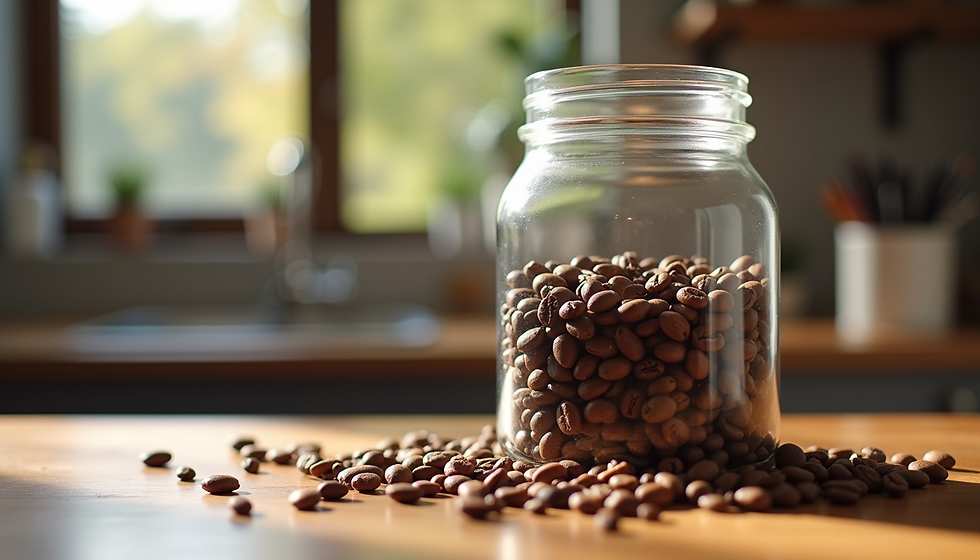
Buy Whole Beans
Grinding your coffee just before brewing preserves the flavors.
Use Proper Brewing Methods
Methods like pour-over or French press highlight the coffee’s nuances better than automatic drip machines.
Experiment with Different Origins
Taste coffees from various countries and regions to find your favorites.
Pay Attention to Roast Levels
Single origin coffees often taste best with lighter roasts that keep their unique flavors intact.


Comments